↓
 

Madison Land Surveying

...a USA Surveying & Engineering marketing website.


  • Home
  • ALTA Survey
  • Boundary Surveying
  • Drone LiDAR Mapping
  • Elevation Certificate
  • Land Surveying
  • Lot Survey – Closing Survey
  • Topographic Survey
  • Blog
  • Contact Us
    • About Us
    • Athens Land Surveyor
    • Decatur Land Surveyor
Home 1 2 3 … 5 6 >>

Post navigation

← Older posts

Welcome to Madison Land Surveying

Madison Land Surveying Posted on December 18, 2017 by Madison SurveyorMay 2, 2018

Welcome to Madison Land Surveying

This site is intended to provide you with information on Land Surveying in the Madison, AL and Madison County area of Alabama. If you’re looking for a Madison Land Surveyor, you’ve come to the right place. If you’d rather talk to someone about your land surveying needs, please call our local number at (256) 585-6346 today. For more information, please continue to read.

madison land surveyingLand Surveyors are professionals who make precise measurements to determine the size and boundaries of a piece of real estate.  While this is a simplistic definition, boundary surveying is one of the most common types of surveying related to home and land owners. If you fall into the following categories, please click on the appropriate link for more information on that subject:
Madison Land Surveying services:

    1. I need to know where my property corners or property lines are. (Boundary Survey)
    2. I have a loan closing or re-finance coming up on my home in a subdivision. (Lot Survey)
    3. I need a map of my property with contour lines to show elevation differences for my architect or engineer. (Topo Survey)
    4. I’ve just been told I’m in a flood zone or I’ve been told I need an elevation certificate in order to obtain flood insurance or prove I don’t need it. (Flood Survey)
    5. I’m purchasing a lot/house in a recorded subdivision. (Lot Survey – See Boundary Survey)
    6. I’m purchasing a larger tract of land, acreage, that hasn’t been subdivided in the past. (Boundary Survey)

Contact Madison Land Surveying services TODAY at (256) 585-6346.

Posted in alta survey, boundary surveying, elevation certificate, flood survey, land surveying, land surveyor, lot survey, property survey, topographic survey | Tagged land surveyor, Madison AL Land Surveyor, Madison Land Surveying

How an ALTA Survey Helps Prevent Commercial Property Disputes 

Madison Land Surveying Posted on May 8, 2026 by Madison Land SurveyingMay 13, 2026
Aerial view of a commercial property with visible parking lots, access roads, and boundary overlay lines during an ALTA survey review

Commercial property deals move fast. A buyer finds a good location, the lender reviews the numbers, and everyone wants to close as soon as possible. However, problems often appear right before the deal finishes. That is why many buyers, lenders, and developers request an ALTA survey before closing on commercial property.

A driveway may cross onto another property. A parking lot may not sit where the records say it should. Sometimes, a business uses an access road that was never legally approved. These issues create stress quickly. They can delay closing, increase costs, or even stop the deal completely.

An ALTA survey helps uncover hidden problems early. As a result, buyers can avoid commercial property disputes before they become expensive legal issues.

Why Commercial Property Disputes Happen Before Closing

Commercial property disputes often happen before closing because boundaries, easements, parking access, and title records do not always match actual site conditions. An ALTA survey helps identify these problems early so buyers, lenders, and developers can avoid delays, legal conflicts, and unexpected costs during the transaction process.

Commercial land usually has a long history. Over the years, owners expand parking lots, install utilities, add buildings, or change access points. Still, old records do not always match what exists on the property today.

This becomes even more common in fast-growing areas like Madison and nearby Huntsville. New warehouses, retail centers, medical offices, and mixed-use developments continue to reshape the area. Because of that growth, many commercial sites now face tighter space limits and more shared property use.

For example:

  • Two businesses may share one entrance
  • A fence may sit beyond the true property line
  • A utility easement may cross future building space
  • Parking areas may overlap neighboring property

At first, these issues may seem minor. However, they can create serious disputes once money, financing, or redevelopment plans become involved.

That is where an ALTA survey becomes important.

What an ALTA Survey Shows Before a Commercial Purchase

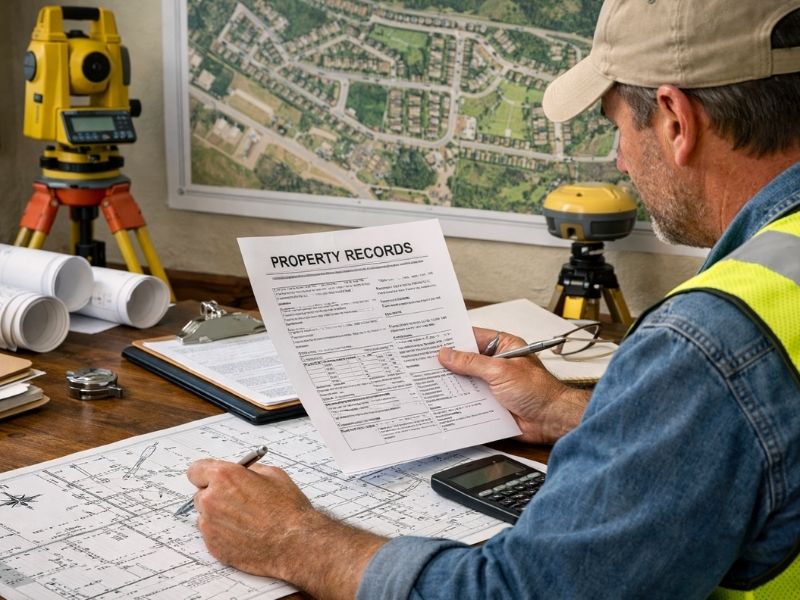
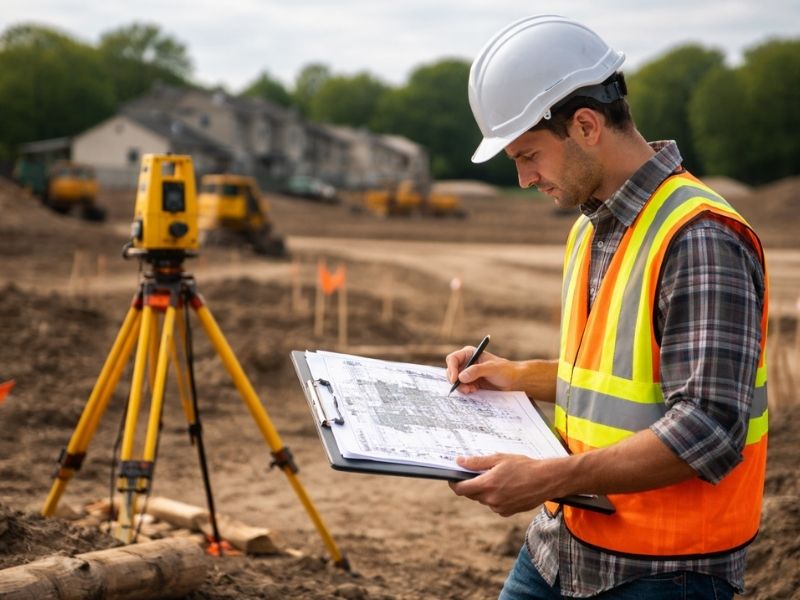
Surveyor reviewing ALTA survey documents and commercial property site plans before closing

An ALTA survey shows property boundaries, easements, access points, parking areas, utility locations, and encroachments before a commercial property closes. It also compares title records with actual site conditions, helping buyers identify legal or physical issues that may affect ownership, financing, redevelopment, or future construction plans.

An ALTA survey gives buyers a detailed view of a commercial property before closing. It combines field measurements, title records, and site information into one report.

This helps buyers understand what they are truly purchasing.

The survey usually shows:

  • Property boundaries
  • Buildings and structures
  • Parking areas
  • Driveways and access points
  • Easements
  • Utility locations
  • Encroachments
  • Recorded property rights

In addition, the survey compares legal documents with actual site conditions. That step matters because many commercial disputes begin when paperwork does not match the property itself.

The current ALTA/NSPS Land Title Survey standards also continue to guide commercial property due diligence nationwide. Because of that, lenders and title companies rely heavily on these surveys during commercial transactions.

Boundary Problems Can Delay Closing

Property Line Issues

Boundary disputes remain one of the most common commercial property problems.

A building corner may cross onto nearby land. A retaining wall may extend outside the legal boundary. Sometimes, sidewalks or pavement overlap neighboring property lines.

Without a survey, buyers may never discover these problems until much later.

That creates risk.

For example, a neighboring owner may demand changes after closing. In some situations, the buyer may even lose usable land. As a result, redevelopment plans may suddenly change.

An ALTA survey helps identify these issues before the transaction finishes. Therefore, buyers can negotiate repairs, request corrections, or reconsider the purchase before taking ownership.

Easements Often Create Surprises

Utility and Access Restrictions

Many commercial properties include easements. These are legal rights that allow another party to use part of the property.

Utility companies often hold easements for water systems, drainage lines, or power infrastructure. In other cases, neighboring businesses may share access routes or driveways.

However, these easements can limit future plans.

For example, a developer may want to expand a building or add parking spaces. Then they discover that a utility easement blocks construction in that area.

That changes the entire project.

Older commercial corridors around Madison and Huntsville sometimes contain outdated legal descriptions that no longer match modern site conditions. Because of that, easement disputes often appear during redevelopment projects.

An ALTA survey helps buyers discover these restrictions early. As a result, they can make smarter decisions before investing large amounts of money.

Parking and Access Disputes Happen Often

Shared Commercial Use Areas

Parking lots and driveways create many commercial property disputes.

A business may believe certain parking spaces belong to them. Later, another owner claims part of the lot. In other situations, delivery trucks may rely on shared access routes that were never properly documented.

These problems can hurt daily business operations.

Customers may lose parking access. Delivery routes may become blocked. Future tenants may also avoid the property because of legal uncertainty.

An ALTA survey helps clarify these areas before closing.

The survey shows:

  • Shared access points
  • Parking layouts
  • Recorded easements
  • Encroachments
  • Property use conflicts

Because of this, buyers gain a clearer understanding of how the property actually functions before the transaction becomes final.

Title Records Do Not Always Match the Property

Why Legal Records Sometimes Conflict

Many people assume title records tell the full story. Unfortunately, that is not always true.

Older commercial sites often contain outdated legal descriptions. Past owners may have made changes without updating records correctly. In some cases, different documents may even conflict with one another.

This creates confusion during closing.

Title defects and boundary issues also remain among the leading causes of delayed commercial real estate closings. Therefore, lenders and title companies now require stronger due diligence before approving financing.

An ALTA survey helps compare title information with real-world conditions. As a result, buyers, lenders, and title companies can identify problems before they create delays or future legal disputes.

How an ALTA Survey Helps Buyers and Lenders Reduce Risk

An ALTA survey helps buyers and lenders reduce commercial real estate risk by identifying hidden property issues before closing. The survey helps prevent financing delays, boundary disputes, access conflicts, and title problems that could increase costs or create legal challenges after the transaction is complete.

Commercial lenders want to reduce risk before approving large loans. They need confidence that the property matches legal records and title documents.

Without that information, the lender may face financial risk later.

Because of that, many banks require an ALTA survey before closing commercial deals.

The survey helps protect:

  • Buyers
  • Lenders
  • Developers
  • Title companies
  • Investors

Most importantly, it helps prevent expensive surprises after the sale finishes.

Why Commercial Growth Around Madison Increases Property Risks

Commercial growth in Madison and nearby Huntsville increases the risk of property disputes because older commercial sites often contain outdated records, shared access arrangements, and redevelopment challenges. An ALTA survey helps uncover these issues early so buyers can move forward with more confidence before closing.

Madison and the Huntsville area continue to grow quickly. Industrial expansion, logistics projects, retail growth, and medical office development continue changing how commercial land gets used.

As land becomes more valuable, property disputes become more common.

Older parcels often face:

  • Shared access confusion
  • Tight building space
  • Utility conflicts
  • Parking disputes
  • Redevelopment pressure

Therefore, buyers need stronger due diligence before closing commercial transactions.

An ALTA survey helps provide that protection.

Closing Problems Cost Time and Money

Commercial closing delays can become expensive very quickly.

Construction schedules may shift. Financing deadlines may expire. Contractors may need to wait. In some cases, the entire deal may collapse.

That is why early discovery matters so much.

When buyers order an ALTA survey early in the process, they gain time to solve problems before closing day arrives. That simple step can save thousands of dollars and prevent major stress later.

Posted in alta survey

How to Find Property Lines  

Madison Land Surveying Posted on May 7, 2026 by Madison Land SurveyingMay 13, 2026
Homeowner checking property lines before building a backyard fence or shed

A new fence or shed can make your yard more useful. It can give you privacy, extra storage, or a better place to enjoy your outdoor space. However, many homeowners start building before they know where their property lines really are.

That is where problems begin.

A fence placed a few feet too far can upset a neighbor. A shed built in the wrong spot may need to be moved later. In some cases, homeowners even face fines or legal issues because the structure crosses the property line.

Before you build anything, it helps to know exactly where your land begins and ends.

Why Property Lines Matter Before Building

Property lines help homeowners avoid fence disputes, shed placement problems, and costly mistakes before construction begins. Even small boundary errors can create legal issues, neighbor conflicts, or setback violations. Checking property lines early helps protect your property and prevents expensive changes after building starts.

At first, finding property lines sounds simple. Many people assume the fence already marks the boundary. Others trust online maps or guess based on the shape of the yard.

Unfortunately, that does not always work.

Old fences may sit in the wrong place. Trees and landscaping can hide corners. Online maps often show rough estimates instead of exact boundaries. Because of that, homeowners sometimes build in areas they do not legally own.

Even small mistakes can create expensive problems later.

For example, a shed placed over the line may block access to a neighbor’s property. A fence installed in the wrong spot can also cause tension between neighbors for years. Therefore, checking property lines early saves time, money, and stress.

Fence and boundary disputes also remain one of the most common problems between neighboring property owners. That is why many homeowners choose to confirm their boundaries before starting outdoor projects.

Easy Ways to Find Property Lines

Homeowners can find property lines by checking survey documents, reviewing GIS maps, locating property pins, and speaking with neighbors. However, online maps and old fences may not show exact legal boundaries. A professional land survey provides the most accurate way to confirm property lines before building.

Check Your Property Documents

One of the easiest places to start is your closing paperwork.

When you bought your home, you likely received documents that show the shape and size of the property. These papers may include a plat map or survey drawing. In many cases, they show lot dimensions and nearby streets.

While these documents help, they may not show the exact physical corners on the ground today. Still, they give you a better idea of where to begin looking.

If you cannot find the papers, your local county office may have copies available online.

Use Online GIS Maps Carefully

Many homeowners search online when trying to find property lines. County GIS maps and real estate websites can look very detailed. However, they should not be treated as exact legal boundaries.

That surprises many people.

Many county GIS websites also include disclaimers stating that parcel maps are approximate and should not replace a legal land survey.

Online parcel maps work well for general reference. They help homeowners understand the rough layout of a lot. However, the lines on the screen may not match the true surveyed boundary in real life.

A fence contractor may even measure a different location than what the online map shows.

Because of that, online maps should only be the first step, not the final answer.

Look for Property Pins or Survey Markers

Next, try looking for property markers around the yard.

Surveyors often place metal pins or markers at property corners. These markers may sit near sidewalks, driveways, fences, or tree lines. Sometimes they stick slightly above the ground. Other times, dirt or grass covers them completely.

A metal detector can help locate buried pins in some cases.

However, finding a pin does not always solve the problem. Some markers move over time. Others disappear during landscaping or construction work. In older neighborhoods, the original markers may no longer exist at all.

That is why homeowners often feel confused when trying to locate property corners on their own.

Talk With Neighbors Before Construction Starts

Good communication helps avoid problems later.

Before installing a fence or shed, talk with nearby neighbors about your plans. Many property disputes begin because nobody discussed the project early. A simple conversation can prevent misunderstandings before construction starts.

Still, remember this important point: verbal agreements do not replace a real property line.

Even if both neighbors agree on a location, the structure could still sit in the wrong place. Therefore, it is always smart to verify the boundary first.

Why Online Maps and Old Fences Can Be Wrong

Property corner marker used to find property lines before building a fence or shed

Online parcel maps and existing fences often show approximate boundaries instead of exact legal property lines. Old fences may sit in the wrong location, while GIS maps may not match field measurements. Relying on these sources alone can lead to building mistakes and neighbor disputes.

Many backyards look straight and evenly shaped at first glance. However, property boundaries often angle slightly or shift over distance. A fence installed years ago may have followed an incorrect estimate instead of the true property line.

That mistake can continue for decades without anyone noticing.

Some homeowners also trust satellite images or phone apps when planning outdoor projects. While those tools help with basic viewing, they do not confirm legal boundaries.

Licensed land surveyors use field measurements, legal records, and property monuments to confirm exact lot boundaries. That process provides far more accuracy than online images or rough parcel maps.

Setback Rules Homeowners Should Know

Setback rules control how close fences, sheds, and other structures can sit near property lines. Cities, counties, and HOAs may all have different requirements. Homeowners should check setback regulations before building to avoid fines, permit issues, or forced removal later.

Property lines are not the only thing that matters.

Cities and counties also have setback rules. A setback is the required distance between a structure and the property line. For example, some cities require sheds to sit at least 5 to 15 feet away from lot boundaries depending on zoning rules.

That means placing a shed directly on the boundary could still violate local rules.

Fence regulations can vary too. Some neighborhoods limit fence height or fence placement near streets and sidewalks. HOAs may also have their own restrictions.

Before building, homeowners should check:

  • fence setback requirements
  • shed setback distances
  • HOA fence rules
  • utility easements
  • permit requirements

Because of that, checking local requirements before construction can save you from expensive changes later.

When You Should Hire a Land Surveyor

A professional land survey helps homeowners confirm exact property boundaries before installing permanent structures like fences or sheds. Surveys become especially important when lot lines look unclear, markers are missing, neighbors disagree, or local setback requirements create limited building space.

Sometimes homeowners can get a rough idea of the property boundary on their own. However, some situations need a professional survey.

You should strongly consider a survey if:

  • the lot lines seem unclear
  • the property has no visible markers
  • a neighbor questions the boundary
  • you plan to build a permanent structure
  • the yard has unusual angles or shapes
  • you recently bought the property

A land surveyor can measure the property accurately and mark the true boundary lines. That removes guesswork from the project.

Permanent structures placed across property lines may even require removal if they violate local rules or encroach on neighboring property.

While some homeowners worry about survey costs, fixing a boundary dispute later usually costs far more.

Common Fence and Shed Mistakes

Many fence and shed problems happen because homeowners rely on guesses, old fences, or online maps instead of verified property boundaries. Small placement errors can lead to neighbor disputes, setback violations, and expensive repairs. Confirming property lines before construction helps avoid these common mistakes.

Common mistakes include:

  • building against the wrong fence line
  • trusting online maps alone
  • placing sheds too close to property lines
  • skipping setback checks
  • ignoring utility easements
  • guessing where property corners sit

These problems happen more often in growing neighborhoods where homes sit closer together and outdoor projects continue to increase.

That is why checking property lines before construction matters so much.

Posted in land surveying | Tagged Land Surveying

Post navigation

← Older posts
Get Quote Button

Recent Posts

  • How an ALTA Survey Helps Prevent Commercial Property Disputes 
  • How to Find Property Lines  
  • Welcome to Madison Land Surveying
  • Surveying For Fence Contruction
  • Difference in FEMA Elevation Certificate and LOMA

Categories

  • alta survey
  • boundary surveying
  • construction
  • construction survey
  • elevation certificate
  • flood damage
  • flood survey
  • land surveying
  • land surveyor
  • LOMA
  • lot survey
  • property survey
  • topographic survey
© USA Surveying & Engineering, LLC
Hazel Green, Alabama 35750
Phone: (256) 585-6346

Privacy Policy | Terms of Use
Service Disabled Veteran Owned Small Business

Web Development and SEO by:
AuburnBusiness.com

Privacy Policy
↑