How an ALTA Survey Helps Prevent Commercial Property Disputes
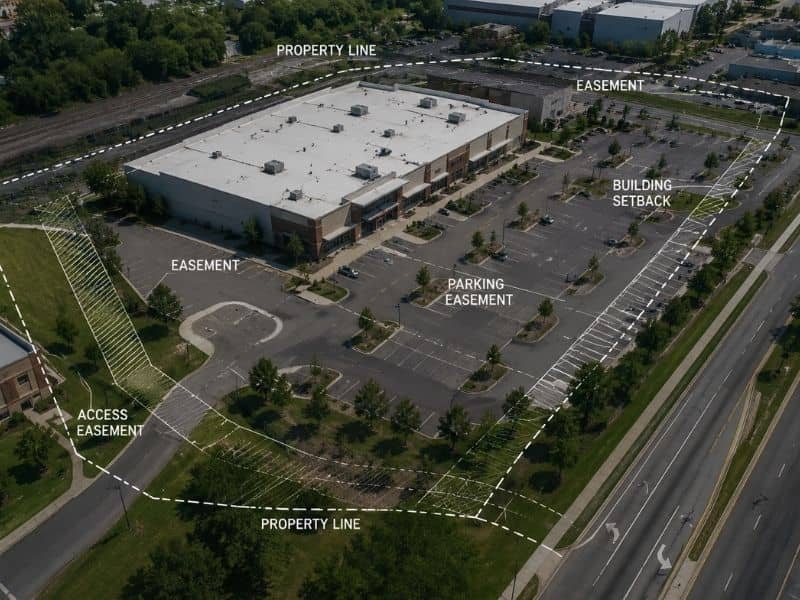
Commercial property deals move fast. A buyer finds a good location, the lender reviews the numbers, and everyone wants to close as soon as possible. However, problems often appear right before the deal finishes. That is why many buyers, lenders, and developers request an ALTA survey before closing on commercial property.
A driveway may cross onto another property. A parking lot may not sit where the records say it should. Sometimes, a business uses an access road that was never legally approved. These issues create stress quickly. They can delay closing, increase costs, or even stop the deal completely.
An ALTA survey helps uncover hidden problems early. As a result, buyers can avoid commercial property disputes before they become expensive legal issues.
Why Commercial Property Disputes Happen Before Closing
Commercial property disputes often happen before closing because boundaries, easements, parking access, and title records do not always match actual site conditions. An ALTA survey helps identify these problems early so buyers, lenders, and developers can avoid delays, legal conflicts, and unexpected costs during the transaction process.
Commercial land usually has a long history. Over the years, owners expand parking lots, install utilities, add buildings, or change access points. Still, old records do not always match what exists on the property today.
This becomes even more common in fast-growing areas like Madison and nearby Huntsville. New warehouses, retail centers, medical offices, and mixed-use developments continue to reshape the area. Because of that growth, many commercial sites now face tighter space limits and more shared property use.
For example:
- Two businesses may share one entrance
- A fence may sit beyond the true property line
- A utility easement may cross future building space
- Parking areas may overlap neighboring property
At first, these issues may seem minor. However, they can create serious disputes once money, financing, or redevelopment plans become involved.
That is where an ALTA survey becomes important.
What an ALTA Survey Shows Before a Commercial Purchase
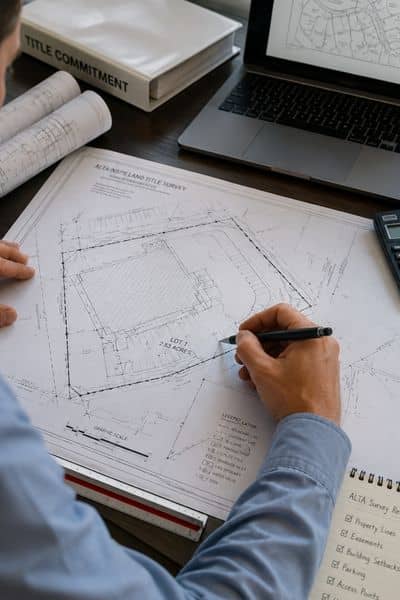
An ALTA survey shows property boundaries, easements, access points, parking areas, utility locations, and encroachments before a commercial property closes. It also compares title records with actual site conditions, helping buyers identify legal or physical issues that may affect ownership, financing, redevelopment, or future construction plans.
An ALTA survey gives buyers a detailed view of a commercial property before closing. It combines field measurements, title records, and site information into one report.
This helps buyers understand what they are truly purchasing.
The survey usually shows:
- Property boundaries
- Buildings and structures
- Parking areas
- Driveways and access points
- Easements
- Utility locations
- Encroachments
- Recorded property rights
In addition, the survey compares legal documents with actual site conditions. That step matters because many commercial disputes begin when paperwork does not match the property itself.
The current ALTA/NSPS Land Title Survey standards also continue to guide commercial property due diligence nationwide. Because of that, lenders and title companies rely heavily on these surveys during commercial transactions.
Boundary Problems Can Delay Closing
Property Line Issues
Boundary disputes remain one of the most common commercial property problems.
A building corner may cross onto nearby land. A retaining wall may extend outside the legal boundary. Sometimes, sidewalks or pavement overlap neighboring property lines.
Without a survey, buyers may never discover these problems until much later.
That creates risk.
For example, a neighboring owner may demand changes after closing. In some situations, the buyer may even lose usable land. As a result, redevelopment plans may suddenly change.
An ALTA survey helps identify these issues before the transaction finishes. Therefore, buyers can negotiate repairs, request corrections, or reconsider the purchase before taking ownership.
Easements Often Create Surprises
Utility and Access Restrictions
Many commercial properties include easements. These are legal rights that allow another party to use part of the property.
Utility companies often hold easements for water systems, drainage lines, or power infrastructure. In other cases, neighboring businesses may share access routes or driveways.
However, these easements can limit future plans.
For example, a developer may want to expand a building or add parking spaces. Then they discover that a utility easement blocks construction in that area.
That changes the entire project.
Older commercial corridors around Madison and Huntsville sometimes contain outdated legal descriptions that no longer match modern site conditions. Because of that, easement disputes often appear during redevelopment projects.
An ALTA survey helps buyers discover these restrictions early. As a result, they can make smarter decisions before investing large amounts of money.
Parking and Access Disputes Happen Often
Shared Commercial Use Areas
Parking lots and driveways create many commercial property disputes.
A business may believe certain parking spaces belong to them. Later, another owner claims part of the lot. In other situations, delivery trucks may rely on shared access routes that were never properly documented.
These problems can hurt daily business operations.
Customers may lose parking access. Delivery routes may become blocked. Future tenants may also avoid the property because of legal uncertainty.
An ALTA survey helps clarify these areas before closing.
The survey shows:
- Shared access points
- Parking layouts
- Recorded easements
- Encroachments
- Property use conflicts
Because of this, buyers gain a clearer understanding of how the property actually functions before the transaction becomes final.
Title Records Do Not Always Match the Property
Why Legal Records Sometimes Conflict
Many people assume title records tell the full story. Unfortunately, that is not always true.
Older commercial sites often contain outdated legal descriptions. Past owners may have made changes without updating records correctly. In some cases, different documents may even conflict with one another.
This creates confusion during closing.
Title defects and boundary issues also remain among the leading causes of delayed commercial real estate closings. Therefore, lenders and title companies now require stronger due diligence before approving financing.
An ALTA survey helps compare title information with real-world conditions. As a result, buyers, lenders, and title companies can identify problems before they create delays or future legal disputes.
How an ALTA Survey Helps Buyers and Lenders Reduce Risk
An ALTA survey helps buyers and lenders reduce commercial real estate risk by identifying hidden property issues before closing. The survey helps prevent financing delays, boundary disputes, access conflicts, and title problems that could increase costs or create legal challenges after the transaction is complete.
Commercial lenders want to reduce risk before approving large loans. They need confidence that the property matches legal records and title documents.
Without that information, the lender may face financial risk later.
Because of that, many banks require an ALTA survey before closing commercial deals.
The survey helps protect:
- Buyers
- Lenders
- Developers
- Title companies
- Investors
Most importantly, it helps prevent expensive surprises after the sale finishes.
Why Commercial Growth Around Madison Increases Property Risks
Commercial growth in Madison and nearby Huntsville increases the risk of property disputes because older commercial sites often contain outdated records, shared access arrangements, and redevelopment challenges. An ALTA survey helps uncover these issues early so buyers can move forward with more confidence before closing.
Madison and the Huntsville area continue to grow quickly. Industrial expansion, logistics projects, retail growth, and medical office development continue changing how commercial land gets used.
As land becomes more valuable, property disputes become more common.
Older parcels often face:
- Shared access confusion
- Tight building space
- Utility conflicts
- Parking disputes
- Redevelopment pressure
Therefore, buyers need stronger due diligence before closing commercial transactions.
An ALTA survey helps provide that protection.
Closing Problems Cost Time and Money
Commercial closing delays can become expensive very quickly.
Construction schedules may shift. Financing deadlines may expire. Contractors may need to wait. In some cases, the entire deal may collapse.
That is why early discovery matters so much.
When buyers order an ALTA survey early in the process, they gain time to solve problems before closing day arrives. That simple step can save thousands of dollars and prevent major stress later.
