
How to Find Property Lines
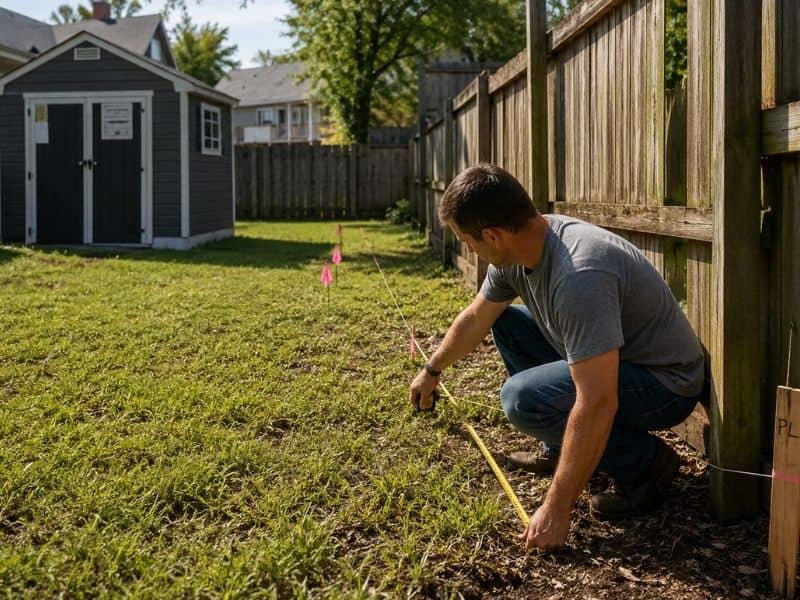
A new fence or shed can make your yard more useful. It can give you privacy, extra storage, or a better place to enjoy your outdoor space. However, many homeowners start building before they know where their property lines really are.
That is where problems begin.
A fence placed a few feet too far can upset a neighbor. A shed built in the wrong spot may need to be moved later. In some cases, homeowners even face fines or legal issues because the structure crosses the property line.
Before you build anything, it helps to know exactly where your land begins and ends.
Why Property Lines Matter Before Building
Property lines help homeowners avoid fence disputes, shed placement problems, and costly mistakes before construction begins. Even small boundary errors can create legal issues, neighbor conflicts, or setback violations. Checking property lines early helps protect your property and prevents expensive changes after building starts.
At first, finding property lines sounds simple. Many people assume the fence already marks the boundary. Others trust online maps or guess based on the shape of the yard.
Unfortunately, that does not always work.
Old fences may sit in the wrong place. Trees and landscaping can hide corners. Online maps often show rough estimates instead of exact boundaries. Because of that, homeowners sometimes build in areas they do not legally own.
Even small mistakes can create expensive problems later.
For example, a shed placed over the line may block access to a neighbor’s property. A fence installed in the wrong spot can also cause tension between neighbors for years. Therefore, checking property lines early saves time, money, and stress.
Fence and boundary disputes also remain one of the most common problems between neighboring property owners. That is why many homeowners choose to confirm their boundaries before starting outdoor projects.
Easy Ways to Find Property Lines
Homeowners can find property lines by checking survey documents, reviewing GIS maps, locating property pins, and speaking with neighbors. However, online maps and old fences may not show exact legal boundaries. A professional land survey provides the most accurate way to confirm property lines before building.
Check Your Property Documents
One of the easiest places to start is your closing paperwork.
When you bought your home, you likely received documents that show the shape and size of the property. These papers may include a plat map or survey drawing. In many cases, they show lot dimensions and nearby streets.
While these documents help, they may not show the exact physical corners on the ground today. Still, they give you a better idea of where to begin looking.
If you cannot find the papers, your local county office may have copies available online.
Use Online GIS Maps Carefully
Many homeowners search online when trying to find property lines. County GIS maps and real estate websites can look very detailed. However, they should not be treated as exact legal boundaries.
That surprises many people.
Many county GIS websites also include disclaimers stating that parcel maps are approximate and should not replace a legal land survey.
Online parcel maps work well for general reference. They help homeowners understand the rough layout of a lot. However, the lines on the screen may not match the true surveyed boundary in real life.
A fence contractor may even measure a different location than what the online map shows.
Because of that, online maps should only be the first step, not the final answer.
Look for Property Pins or Survey Markers
Next, try looking for property markers around the yard.
Surveyors often place metal pins or markers at property corners. These markers may sit near sidewalks, driveways, fences, or tree lines. Sometimes they stick slightly above the ground. Other times, dirt or grass covers them completely.
A metal detector can help locate buried pins in some cases.
However, finding a pin does not always solve the problem. Some markers move over time. Others disappear during landscaping or construction work. In older neighborhoods, the original markers may no longer exist at all.
That is why homeowners often feel confused when trying to locate property corners on their own.
Talk With Neighbors Before Construction Starts
Good communication helps avoid problems later.
Before installing a fence or shed, talk with nearby neighbors about your plans. Many property disputes begin because nobody discussed the project early. A simple conversation can prevent misunderstandings before construction starts.
Still, remember this important point: verbal agreements do not replace a real property line.
Even if both neighbors agree on a location, the structure could still sit in the wrong place. Therefore, it is always smart to verify the boundary first.
Why Online Maps and Old Fences Can Be Wrong
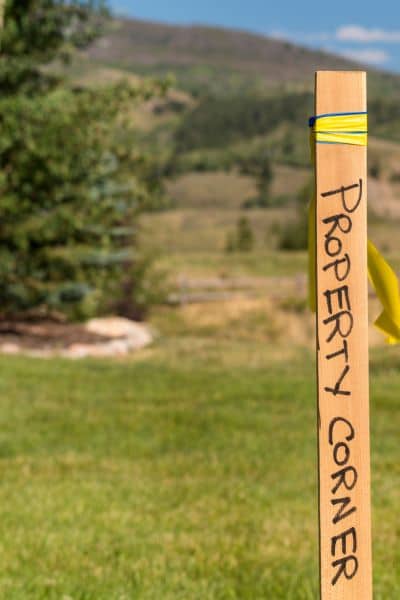
Online parcel maps and existing fences often show approximate boundaries instead of exact legal property lines. Old fences may sit in the wrong location, while GIS maps may not match field measurements. Relying on these sources alone can lead to building mistakes and neighbor disputes.
Many backyards look straight and evenly shaped at first glance. However, property boundaries often angle slightly or shift over distance. A fence installed years ago may have followed an incorrect estimate instead of the true property line.
That mistake can continue for decades without anyone noticing.
Some homeowners also trust satellite images or phone apps when planning outdoor projects. While those tools help with basic viewing, they do not confirm legal boundaries.
Licensed land surveyors use field measurements, legal records, and property monuments to confirm exact lot boundaries. That process provides far more accuracy than online images or rough parcel maps.
Setback Rules Homeowners Should Know
Setback rules control how close fences, sheds, and other structures can sit near property lines. Cities, counties, and HOAs may all have different requirements. Homeowners should check setback regulations before building to avoid fines, permit issues, or forced removal later.
Property lines are not the only thing that matters.
Cities and counties also have setback rules. A setback is the required distance between a structure and the property line. For example, some cities require sheds to sit at least 5 to 15 feet away from lot boundaries depending on zoning rules.
That means placing a shed directly on the boundary could still violate local rules.
Fence regulations can vary too. Some neighborhoods limit fence height or fence placement near streets and sidewalks. HOAs may also have their own restrictions.
Before building, homeowners should check:
- fence setback requirements
- shed setback distances
- HOA fence rules
- utility easements
- permit requirements
Because of that, checking local requirements before construction can save you from expensive changes later.
When You Should Hire a Land Surveyor
A professional land survey helps homeowners confirm exact property boundaries before installing permanent structures like fences or sheds. Surveys become especially important when lot lines look unclear, markers are missing, neighbors disagree, or local setback requirements create limited building space.
Sometimes homeowners can get a rough idea of the property boundary on their own. However, some situations need a professional survey.
You should strongly consider a survey if:
- the lot lines seem unclear
- the property has no visible markers
- a neighbor questions the boundary
- you plan to build a permanent structure
- the yard has unusual angles or shapes
- you recently bought the property
A land surveyor can measure the property accurately and mark the true boundary lines. That removes guesswork from the project.
Permanent structures placed across property lines may even require removal if they violate local rules or encroach on neighboring property.
While some homeowners worry about survey costs, fixing a boundary dispute later usually costs far more.
Common Fence and Shed Mistakes
Many fence and shed problems happen because homeowners rely on guesses, old fences, or online maps instead of verified property boundaries. Small placement errors can lead to neighbor disputes, setback violations, and expensive repairs. Confirming property lines before construction helps avoid these common mistakes.
Common mistakes include:
- building against the wrong fence line
- trusting online maps alone
- placing sheds too close to property lines
- skipping setback checks
- ignoring utility easements
- guessing where property corners sit
These problems happen more often in growing neighborhoods where homes sit closer together and outdoor projects continue to increase.
That is why checking property lines before construction matters so much.
