
Property Line Survey Before Installing a New Mailbox
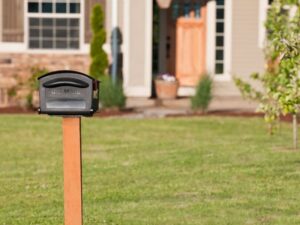 A mailbox post looks like the easiest project on the property. You dig a hole, set a post, and pour some concrete. That small post, though, often sits right where three things meet: your lot line, the road right-of-way, and buried utility lines.
Getting the spot wrong can mean a damaged gas line, a neighbor complaint, or a notice from the road department asking you to move it. A property line survey takes the guesswork out of where your land ends and what rules apply near the road. If you’re moving a mailbox, building a brick or stone column, or setting one on a new lot, confirm your boundary before you dig.
Why Property Line Survey Matter Before Installing a Mailbox
Most mailboxes sit near the front edge of a lot, right where ownership gets hard to read by eye. The grass you mow up to the curb often isn’t yours. Many roads include a strip of public right-of-way that runs past the pavement into what looks like your front yard.
Shared driveways and corner lots add more confusion. Neighbors may have set their mailboxes side by side for years with nobody checking where the line runs. That works fine until someone sells, builds a fence, or replaces a post with a permanent masonry column.
A sturdier mailbox raises the stakes. A wooden post is easy to pull up and move. A brick column with a concrete footing is not, and relocating it later can cost far more than a survey would have.
How a Property Line Survey Confirms Mailbox Placement
A property line survey is fieldwork done by a surveyor to locate and mark the corners and lines of your lot. The surveyor reviews your deed, the recorded plat, and nearby records, then finds or sets boundary markers on the ground. You get a drawing that shows your lines along with distances to features like the road edge, driveway, and existing structures.
For a mailbox, the front line matters most. Ask the surveyor to stake or flag the front corners so you can see exactly where your ownership stops. If you’re planning a masonry mailbox, ask them to show its proposed location on the drawing too.
Old survey pins can be buried, bent, or knocked loose by road work. Don’t assume a pipe sticking out of the ground is a property corner. Only a surveyor can confirm that a marker is the right one and still in its original spot.
Checking Road Rights-of-Way and Utility Easements
In many cases your mailbox will sit inside the road right-of-way, and that’s often normal. Mail carriers need to reach the box from their vehicle, so it ends up close to the road. What matters is whether the road authority has rules about what you can build there.
Those rules can vary by city, county, state road department, and neighborhood association. Some limit how large or solid a mailbox structure can be near traffic, since a rigid column can be a hazard if a car leaves the road. The U.S. Postal Service also publishes height and setback guidance, and your local post office can tell you what your carrier needs.
Easements deserve the same attention. A utility easement gives a company the right to place and maintain lines across part of your lot, and front-yard easements are common. Your survey can show recorded easements, but buried lines still need to be marked before digging. Call 811 a few days ahead so utility companies can flag their lines at no cost to you.
Common Mailbox Placement Mistakes That Cause Property Disputes
Most mailbox disputes start with a guess. Someone eyeballs a line, sets a post, and moves on. These are the mistakes surveyors run into most often:
- Measuring from the pavement edge and assuming that’s the property line
- Treating a fence, hedge, or curb as a boundary marker
- Building a masonry mailbox on a shared driveway without talking to the neighbor
- Setting a post over a buried water, gas, or fiber line
- Placing the box where it blocks the view at a driveway or corner
- Ignoring HOA rules on mailbox style and location
Each of these can lead to forced removal, a repair bill, or a strained relationship next door. A shared mailbox spot seems minor until one owner sells and the buyer’s title review flags it. Fixing the problem later almost always costs more than checking first.
Planning Mailbox Installation Using Accurate Property Line Survey
Start by looking for any survey you already have. Your closing papers may include one, and the county may hold a recorded plat. An older survey can still help, but it may not reflect recent road widening or newer easements.
Once you have reliable information, the steps are simple. Work through them in order. Skipping ahead is how posts end up on top of cable lines.
- Order a property line survey or ask a surveyor to update your existing one.
- Have the front corners staked so you can see the line on the ground.
- Check road authority, HOA, and postal guidelines for size, height, and setback.
- Call 811 and wait for utilities to be marked.
- Talk with any neighbor who shares the driveway or mailbox area.
- Set the mailbox and keep the survey with your property records.
If the mailbox is part of a bigger project like a new driveway or fence, have the survey cover everything at once. One site visit usually costs less than several. Requirements can vary by property and project, so confirm your survey needs early if a contractor is working on a tight schedule.
Frequently Asked Questions
Do I need a property line survey to install a mailbox?
Not every mailbox project calls for one. A simple replacement in the same hole usually doesn’t need a survey. A survey becomes a smart step when you’re moving the box, building a masonry column, or working near a shared driveway. It’s also worth it on a new lot where the corners haven’t been checked.
Can my mailbox sit in the road right-of-way?
In many areas it can, and it often has to so the carrier can reach it. Road authorities may still limit the size, material, or exact location. Rules vary by city, county, and state road department. Check with the agency that maintains your road before building anything solid.
How much does a property line survey cost?
Cost depends on lot size, terrain, record quality, and how many corners need work. A small residential lot with clear records usually costs less than a large or wooded tract. Missing markers or conflicting deeds can add research and field time. Ask a local surveyor for a quote based on your specific property.
For a free land surveying quote, call us at (256) 585-6346 or send us a message by going here.
Posted in boundary surveying | Tagged boundary survey