
A home sale can stop because of one paper most buyers never knew about. The FEMA elevation certificate plays a big part in how fast a home sale closes, especially for homes near flood zones. One small mistake on this form can cause insurance delays, lender problems, or a buyer who wants a lower price. Knowing where these mistakes happen can save everyone weeks of stress.
What an Elevation Certificate Actually Does
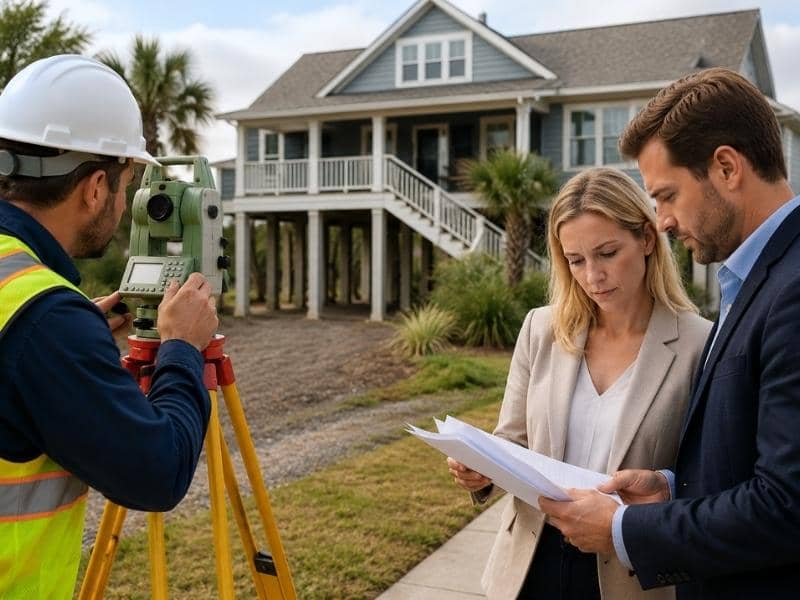
An elevation certificate is a form that shows how high a building sits compared to the flood level in its area. A licensed surveyor or engineer fills it out using exact measurements taken at the home. Lenders and insurance companies use this paper to figure out flood insurance costs. They also use it to check if a home follows local building rules.
Without a correct certificate, insurance companies often guess high. They charge the biggest possible price. That one number can change a buyer’s monthly costs enough to put the whole deal at risk.
Outdated Certificates Cause Unnecessary Delays
One of the most common problems is a certificate that’s too old. Flood maps get updated from time to time. A certificate based on old flood data may not match the newest rules. Lenders usually want a certificate that matches the newest flood maps for the area.
Sellers sometimes think a certificate from a past sale will still work. It usually won’t. If the flood maps changed, the document needs to be redone before the lender will move forward. This one issue causes more delays than almost any other elevation certificate problem.
Measurement Errors That Trigger Red Flags
Small measurement mistakes create big headaches. A misread height, a wrong reference point, or a typo can throw off the whole flood risk number. Lenders and insurance reviewers are trained to catch these mistakes. Once they spot one, the whole certificate often gets sent back for fixing.
Common measurement errors include:
- Using the wrong base flood elevation point
- Recording the lowest floor height incorrectly
- Mixing up measurements from a garage and the main house
- Forgetting to include changes made after the first certificate was issued
Each mistake means another site visit, a corrected form, and another round of review. This can easily add a week or more to a closing timeline.
Missing or Inconsistent Photos
Elevation certificates need certain photos. These show the building’s foundation, any vents, and key points used in the measurements. Reviewers expect the photos to clearly match the numbers on the form. When photos are blurry, missing, or don’t match, the certificate often gets rejected right away.
This problem happens more than people expect. It often comes from certificates that get reused or copied from old paperwork instead of being freshly taken. A certificate that looks complete on paper can still fail review if the photos don’t match up.
Wrong Building Diagram Selected
FEMA elevation certificates come with several diagram choices. Each one matches a different type of structure or foundation. Picking the wrong diagram, like choosing a slab option for a home with a crawl space, throws off the whole form. Even if every measurement is right, the wrong diagram makes the whole document wrong.
This mistake happens more than it should. It often happens when certificates get filled out fast, or by someone who doesn’t know the home’s exact build well. Checking the diagram against the real structure before sending it in catches this error early.
How These Mistakes Affect Closing Timelines
Any one of these problems can stall a sale at exactly the wrong time. Lenders won’t finish a mortgage without a correct certificate. Insurance companies won’t give a policy based on bad data. Buyers waiting on loan approval can get stuck for days or weeks while the fixes happen.
The fix is usually simple once the problem is found, but finding it early matters most. Sellers who get a fresh, correct elevation certificate before listing their home tend to avoid these delays completely. Waiting until a buyer’s lender flags the issue almost always costs more time than catching it early.
Frequently Asked Questions
What information does a FEMA elevation certificate actually record?
It records how high a building’s lowest floor sits compared to the flood level for that area. It also lists the foundation type, vent locations, and the points used to figure out flood risk.
Why would a lender reject an existing elevation certificate?
Lenders usually reject certificates based on old flood maps, certificates with measurement mistakes, certificates with the wrong building diagram, or photos that don’t match the recorded numbers.
How long does it take to get a corrected elevation certificate?
A correction can take a few days to two weeks. It depends on whether a new site visit is needed or if the issue can be fixed using the existing measurements and records.
Does every home need a FEMA elevation certificate to sell?
Not every home needs one. It usually becomes necessary when a property sits in or near a flood zone, or when a lender asks for it during the mortgage approval process.
Who is qualified to complete an elevation certificate?
A licensed land surveyor or professional engineer completes elevation certificates. The form needs exact measurements and certification that hold up under lender and insurance review.